

Planning a trip to Bhutan? Understanding the weather in Bhutan is the single most essential step before you pack, book flights, or plan a trekking itinerary. The Land of the Thunder Dragon is a destination of extraordinary beauty — but its climate is every bit as dramatic and layered as its landscape.
Bhutan weather is shaped almost entirely by altitude. This small Himalayan kingdom rises from subtropical plains barely 100 metres above sea level in the south to glacier-capped peaks soaring over 7,500 metres in the north. On any given day, a traveller in the border town of Phuentsholing might be sweating in 28°C heat, while a trekker in the northern highlands is braving sub-zero temperatures — and the two are less than 200 km apart.
Whether you’re a first-time visitor, an experienced trekker, or a cultural traveller planning around Bhutan’s iconic festivals, this guide gives you the weather knowledge to travel smarter, plan better, and enjoy Bhutan at its absolute finest.
The climate in Bhutan is one of the most dramatically varied for any country its size. Anchored by the eastern Himalayas and the Tibetan Plateau, Bhutan’s terrain descends steeply from permanent ice in the north to lush tropical foothills in the south — creating radically different climate zones within a single nation.
Three primary factors define Bhutan weather: altitude, the Indian monsoon, and aspect (which direction a valley or slope faces). The result is a country of microclimates where each region tells its own weather story.

Persistently cold. Sub-zero in winter, rarely above 15°C in summer. Only ~40 mm annual precipitation (mostly snow). Accessible to experienced trekkers only.

Hot and humid year-round. Temperatures range 15–30°C. Annual rainfall up to 7,800 mm — among the highest in Asia. The monsoon here is long and intense.

Four clear seasons. Temperature range −4°C to 26°C. Annual rainfall 600–1,000 mm. Where most tourists spend their time — and where conditions are most pleasant.

Slightly drier and warmer than the west. Moderate monsoon rainfall. Less visited but rewarding for those seeking authentic off-the-beaten-path experiences.

🌞 Did you know? Despite its Himalayan location, Bhutan is NOT cold all year. Southern Bhutan is warm year-round, and central valleys like Thimphu and Paro regularly reach 20–25°C in summer. Altitude is everything.
Understanding weather in Bhutan by month is the most practical way to plan your trip. Here is a complete Bhutan weather monthly breakdown covering every season and every type of traveller:
January and February are Bhutan’s coldest months. Central valleys like Thimphu and Paro experience sub-zero nights and brisk, sunny days. Northern passes and highlands receive heavy snowfall, while the southern lowlands remain pleasantly warm at 18–26°C.
Despite the cold, these months offer some of Bhutan’s most dramatic beauty — snow-dusted monasteries, crystal-clear air, and spectacular Himalayan panoramas. Rainfall is at its annual minimum, meaning consistently blue skies in the daytime. Punakha Valley at just 1,300 m stays warm and green even in deep winter, making it the most popular winter destination.
The Punakha Tshechu festival typically falls in February or March — a vibrant cultural experience with far fewer crowds than the peak season equivalents.
Spring is when Bhutan truly comes alive. Rhododendrons — the national flower — erupt in vivid red, pink, and white across the hillsides. Temperatures in central valleys are genuinely comfortable, rainfall is light (approximately 20–40 mm/month), and mountain visibility is excellent before monsoon clouds begin to build.
The Paro Tshechu, one of Bhutan’s most celebrated festivals, falls in March or April and draws thousands of visitors. It is a spectacle of masked dances, religious ceremony, and traditional costume that represents Bhutanese culture at its most vibrant. April is widely considered the single finest month for trekking — the Druk Path Trek, Jomolhari Trek, and Bumdrak Trek are all at their best.
This is Bhutan’s most popular travel window. Book accommodation, flights, and guided tours at least four to six months in advance.
May is warm, pleasant, and still excellent for sightseeing across central Bhutan. Temperatures are comfortable — neither the winter chill nor the full summer heat — and the pre-monsoon landscape is lush and increasingly green. Southern Bhutan grows noticeably humid and sticky from May.
June marks the onset of the monsoon. While Thimphu and Paro remain manageable, the south receives increasingly heavy rain. From late June, afternoon and evening downpours become regular. Trekking trails grow muddy. Mountain views begin to be obscured by cloud cover. However, June’s dramatically greener scenery has its own appeal — and tourist numbers drop significantly, making this a good option for flexible, budget-focused travellers.
This is Bhutan’s monsoon season — the most challenging period for travel. July and August bring the heaviest rainfall of the year, with Thimphu averaging 175 mm and 220 mm respectively. The entire country turns intensely green and lush, creating dramatic, emerald-coloured scenery, but the practical challenges are significant.
Key considerations during monsoon: Landslides are common on mountain roads, particularly on the Phuentsholing–Thimphu highway. Domestic flights at Paro airport may be delayed or cancelled due to low cloud cover. Flash flooding is a risk in southern Bhutan. Some trekking routes become dangerous or impassable.
September marks the gradual monsoon withdrawal. Skies begin to clear from mid-September, and by the end of the month, conditions can rival October for beauty. Urban sightseeing — Thimphu’s dzongs, museums, and markets — remains fully accessible year-round regardless of rain.
Autumn is Bhutan’s finest travel season — and October is widely considered the single best month to visit the entire country. The monsoon has completely retreated, leaving behind air so clear it feels freshly washed. Mountain visibility reaches its annual peak, with the snow-dusted Himalayas visible in breathtaking sharpness from Paro, Thimphu, and most major trekking routes.
Golden and amber foliage blankets the valleys. Temperatures are perfect: warm and energising by day, refreshingly cool at night. The major autumn festivals — Thimphu Tshechu and Wangdue Phodrang Tshechu — add vivid cultural colour to the experience. All trekking routes are open and at their safest.
November retains all of October’s beauty but with slightly fewer visitors and marginally lower prices. By late November, winter begins to creep in at higher elevations, but central valleys remain pleasant well into the month.
December brings genuine winter to Bhutan’s central valleys. Nights in Thimphu and Paro drop to or below freezing. Daytime temperatures are cool but often pleasantly sunny — perfect for wrapping up and wandering through dzongs and monasteries at your own pace. Rainfall is minimal, and the skies are frequently clear.
Tourist numbers fall sharply from November’s peak, making December one of Bhutan’s quietest and most affordable months. Hotel rates and tour costs drop noticeably. Punakha, at its lower altitude, remains warm and accessible. Snow begins to dust the higher temples and monasteries, creating beautiful winter photography opportunities.
For those who appreciate solitude, calm, and the raw beauty of a kingdom in quiet mode, December is a hidden gem of a travel month.

Key cities: Phuentsholing, Gelephu, Samdrup Jongkhar Altitude: 100–600 m above sea level Southern Bhutan sits in the Himalayan foothills bordering India, and its climate is unmistakably subtropical. Temperatures rarely fall below 15°C even in winter, and the monsoon season (May–October) is long, intense, and exceptionally wet. Some localities record over 7,800 mm of annual rainfall — among the highest precipitation levels anywhere in South Asia. Best time to visit: November through February, when heat and humidity are most manageable. Phuentsholing is primarily a transit point — most travellers pass through en route to the cooler highlands.
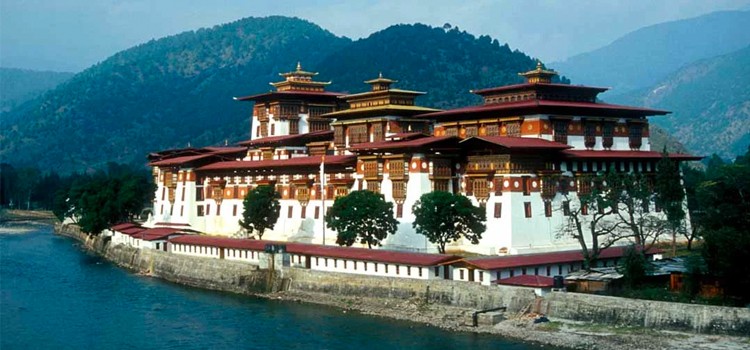
Key cities: Thimphu, Paro, Punakha, Bumthang, Wangdue Phodrang Altitude: 1,300–2,800 m above sea level This is Bhutan's heartland and the destination for the vast majority of international visitors. The climate is temperate and four-season, with cold winters (−4°C nights in Thimphu), warm summers (up to 26°C), and pleasant spring and autumn shoulder seasons. Annual rainfall averages 600–1,000 mm, concentrated in June–September. Punakha is notably warmer than Thimphu — sitting at just 1,300 m, it averages 12–25°C year-round and is comfortable even in the depths of winter, making it a favourite retreat for December and January travellers.
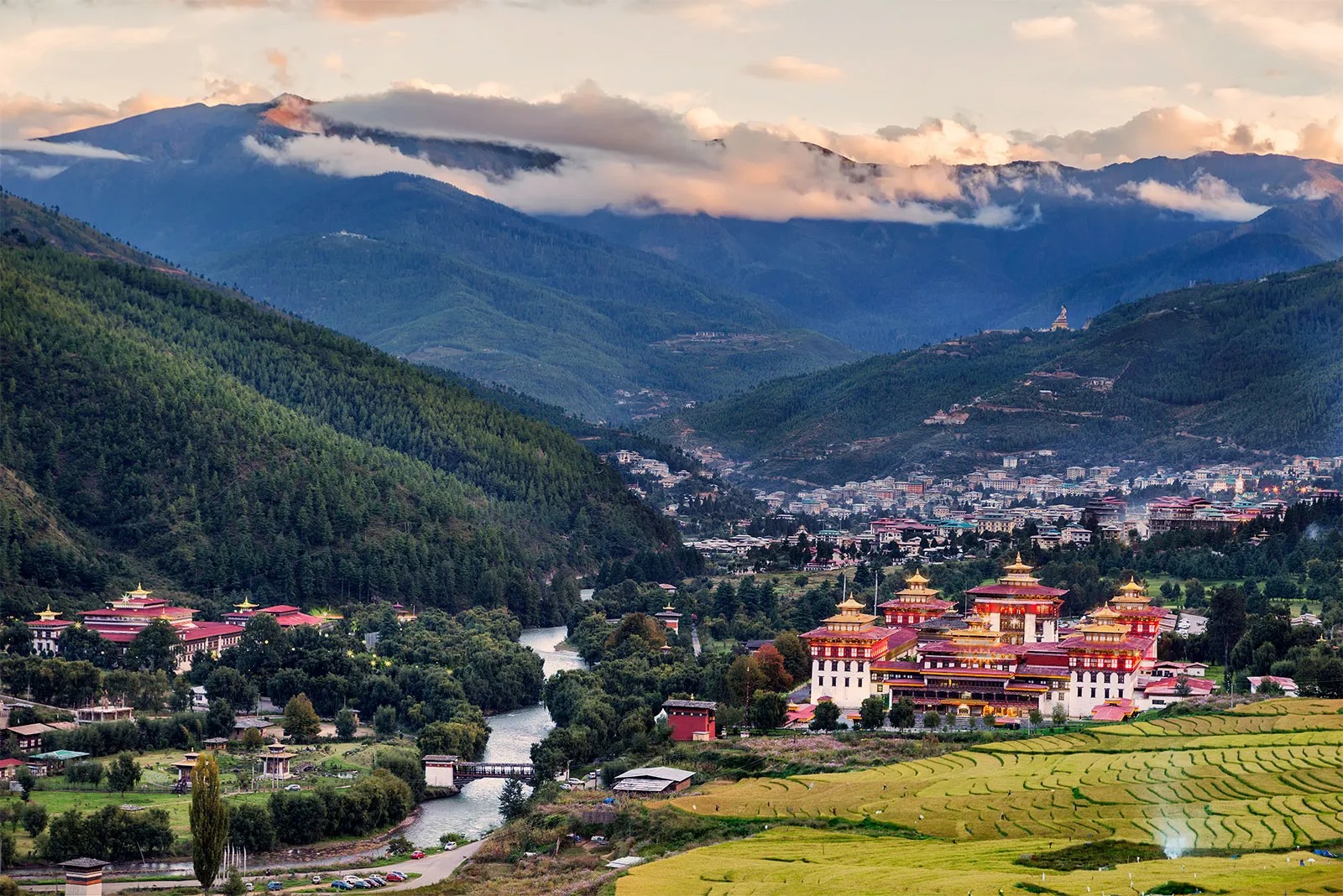
Key areas: Lunana, Laya, Gasa, Himalayan passes Altitude: 4,000 m and above Northern Bhutan is the domain of glaciers, high passes, and extreme altitude. Temperatures remain well below zero in winter and rarely exceed 15°C even in summer. Annual precipitation is minimal (~40 mm, mostly snow), as the northern plateau is sheltered from the monsoon by the Himalayan ridgeline. This region is accessible only to experienced, well-equipped trekkers — and only during the summer window (July–September).
The best time to visit Bhutan depends on what you’re looking for — but two windows stand out decisively for most travellers, one season should be approached with caution, and one is an underrated hidden gem.
1. Spring — March to May
Mild temperatures, light rainfall, rhododendrons blooming, excellent mountain visibility, and major festivals. The best all-round travel season for first-time visitors.
2. Autumn — October & November
Crystal-clear skies, peak Himalayan visibility, golden foliage, and perfect trekking temperatures. October is the single best individual month in Bhutan.
3. Avoid July & August- Peak monsoon. Heavy rain, landslide risk, poor visibility, and possible flight disruptions. Travel is still possible but requires significant flexibility.
4. Hidden Gem- Dec to Feb- Cold but clear. Fewer tourists, lower costs, beautiful winter scenery, and Punakha’s warmth make winter a rewarding choice for the adventurous.
Most travellers entering Bhutan by road cross through Phuentsholing — the busy border town connecting West Bengal, India, with the Kingdom of Bhutan. Whether you’re arriving after a long journey or waiting for immigration formalities, spending at least one night here before ascending to Bhutan’s cooler highlands is both practical and often necessary.
This is exactly where Hotel Vianta stands out as the ideal choice for Bhutan-bound travellers.
Prime Border Location- Situated close to the Bhutan border gate and immigration offices — ideal for completing formalities efficiently.
Climate-Ready Comfort- Modern, climate-controlled rooms to help you adjust from Phuentsholing’s subtropical heat before the cooler Bhutan highlands.
Permit Assistance- The perfect base for managing Bhutan inner-line permits and documentation — with knowledgeable staff on hand.
Quality Dining- Indian and continental cuisine to recharge after your journey — great food and rest before the adventure begins.
Experienced Hospitality- The team understands Bhutan-bound travellers’ unique needs and can assist with local transport and logistics.
All-Season Suitability- Whether arriving in summer heat or winter cool, Hotel Vianta ensures you start your Bhutan journey refreshed and ready.
A: The best time to visit Bhutan is during spring (March–May) and autumn (October–November). Both seasons offer dry, clear conditions, comfortable temperatures for trekking and sightseeing, and coincide with major cultural festivals. October is widely regarded as the single best individual month — the monsoon has fully retreated, leaving crystal-clear skies and peak Himalayan visibility. March and April are equally excellent, with the additional reward of blooming rhododendrons and the celebrated Paro Tshechu festival.
A: Yes, Bhutan receives snowfall — but the location and season depend heavily on altitude. The northern alpine zone above 4,000 metres has permanent snow year-round. In central valleys like Thimphu and Paro, located at 2,200–2,400 m, occasional snowfall occurs in December–February, though it’s not guaranteed every year. At lower altitudes, including all of southern Bhutan, snowfall never occurs. Snowfall on the higher dzongs, monasteries, and mountain passes creates extraordinarily beautiful scenery and is one of the reasons winter travel has grown in popularity.
A: No — this is one of the most common misconceptions about Bhutan weather. Southern Bhutan is warm and subtropical year-round, with temperatures rarely dropping below 15°C even in winter. Central Bhutan (Thimphu, Paro, Punakha) enjoys genuinely warm summer days reaching 20–26°C.
A: January–February: Cold and dry. Snow at altitude. Ideal for Punakha and budget winter travel. Punakha Tshechu.
March–April: Peak spring. Mild, clear, rhododendrons blooming. Paro Tshechu. Highly recommended.
May: Warm and pleasant. Pre-monsoon beginning. Still excellent for sightseeing.
June: Monsoon onset. Rain increases. Manageable with preparation and flexibility.
July–August: Peak monsoon. Heaviest rainfall. Road disruptions possible. Lowest costs. For flexible travellers.
September: Monsoon tapering. Clearing from mid-month. Thimphu Tshechu often in September.
October–November: Perfect autumn. Crystal skies, best mountain visibility, peak season. Top recommendation.
December: Cold but manageable. Low crowds. Budget-friendly. Beautiful winter landscapes.
A: Yes, you can visit Bhutan during the monsoon (June–September), but it requires preparation and flexibility. Benefits include fewer tourists, significantly lower costs, and strikingly lush, green scenery. Challenges include daily heavy rain, possible landslides on mountain roads, reduced mountain visibility, and occasional domestic flight delays at Paro airport. Urban sightseeing — Thimphu’s dzongs, museums, and markets — remains fully accessible year-round. Trekking during monsoon is not recommended for most visitors. Comprehensive travel insurance is strongly recommended for monsoon travel.
A: Average temperature in Bhutan varies widely by location. Thimphu’s annual mean is approximately 10–13°C. Paro averages slightly warmer at 12–14°C annually. Punakha is warmer at around 17–20°C mean annual temperature due to its lower altitude. Southern Bhutan averages 22–26°C year-round. Northern highlands average well below 0°C in winter. For most tourist destinations, travellers can expect daytime temperatures between 10°C and 25°C depending on season, with significant drops at night year-round.