

Bhutan is a place that really gets your imagination going with its Himalayan views, lively culture, peaceful monasteries and special way of doing tourism that does not hurt the environment. They call Bhutan the Land of the Thunder Dragon. It is a place that gives you an experience that you will not find anywhere else which is why many people from India want to visit Bhutan.
If you are planning to go to Bhutan for the time Jaigaon is a good place to start. Jaigaon is located on the border of India and Bhutan in West Bengal. It is the entry point to Bhutan and it is easy to get to Phuentsholing from Jaigaon, which is the first town in Bhutan that you will see when you enter the country.
You might be looking for things to do or you might want to see how beautiful the place is or you might want to go on an adventure or you might want to learn about the spiritual side of Bhutan. This Bhutan Travel Guide will help you plan your trip to Bhutan. We will tell you about the papers you need to get, how to cross the border. We will even give you a suggested plan for your trip, to Bhutan so you know what to do before you go to Bhutan for the first time.
Bhutan is more than just another tourist destination. It is a country that values happiness, environmental conservation, and cultural preservation. Travelers are drawn to Bhutan for its unique blend of tradition and natural beauty. Some of the highlights of Bhutan Tourism include:
Unlike many crowded tourist destinations, Bhutan offers a slower pace of life that allows visitors to reconnect with nature and themselves.
Most Indian travelers begin their Bhutan Travel journey through Jaigaon. This bustling border town acts as the main entry point into Bhutan and is directly connected to Phuentsholing through the iconic Bhutan Gate.
Travelers can reach Jaigaon through:
Once in Jaigaon, visitors can easily walk or drive across the Bhutan Border to Phuentsholing and begin their Bhutan adventure. For first-time travelers, spending a night in Jaigaon before entering Bhutan can be a smart decision. It allows sufficient time to organize travel documents, arrange transportation, and prepare for the journey ahead.
One of the most important aspects of planning a Bhutan Trip is understanding the entry requirements. Indian citizens do not require a visa to visit Bhutan. However, travelers must obtain a Bhutan Permit to enter and travel within the country.
Indian travelers must carry one of the following:
Additional requirements may include:
It is always recommended to verify the latest guidelines before your trip.
The Bhutan Permit is typically issued at the immigration office in Phuentsholing. The process generally involves:
The permit allows travelers to visit popular destinations such as Thimphu and Paro.
The Bhutanese Ngultrum (BTN) is the official currency of Bhutan. Indian Rupees are widely accepted in most places, making transactions convenient for Indian travelers.
Mobile networks and internet services are available in major cities such as Phuentsholing, Thimphu, and Paro. However, connectivity may be limited in remote regions.
Bhutan is deeply rooted in Buddhist traditions. Visitors should:
Bhutan is globally recognized for its commitment to sustainable tourism. Visitors are encouraged to travel responsibly and support local communities.
A well-planned Bhutan Itinerary ensures you experience the country’s major attractions while making the most of your time.
Begin your journey by crossing from Jaigaon to Bhutan through the Bhutan Gate. Complete your permit formalities in Phuentsholing before starting the scenic drive to Thimphu.
Highlights:
Spend the evening exploring local markets and enjoying Bhutanese cuisine.
Thimphu, the capital city of Bhutan, offers a fascinating blend of tradition and modernity.
Places to visit:
Thimphu is an excellent place to understand Bhutan’s culture and lifestyle.
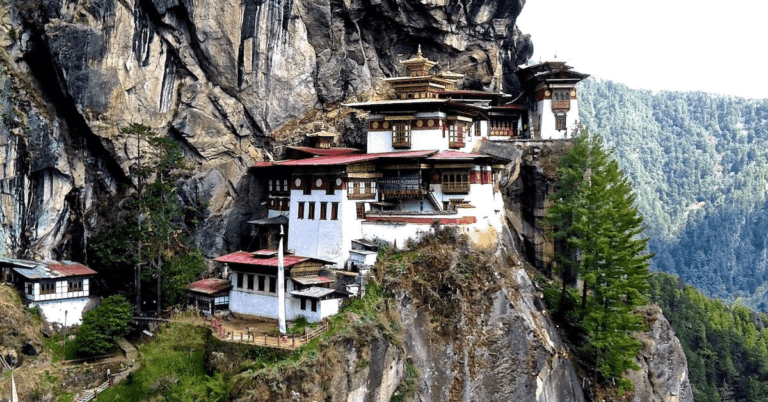
No Bhutan Travel Guide is complete without a visit to Tiger’s Nest Monastery. Also known as Paro Taktsang, this iconic monastery is perched dramatically on a cliffside and is one of Bhutan’s most photographed landmarks.
Other attractions in Paro include:
The Tiger’s Nest hike is challenging but highly rewarding.
Spend your final day enjoying local attractions, shopping for souvenirs, and experiencing Bhutanese hospitality before beginning your return journey.
Travel back through Phuentsholing and cross the Bhutan Border into Jaigaon.
Tiger’s Nest Monastery is the most iconic landmark in Bhutan and a symbol of the country’s rich Buddhist heritage. Perched dramatically on a cliff 900 meters above the Paro Valley, the monastery appears to cling to the mountainside. It was built in 1692 around a sacred cave where Guru Rinpoche (Padmasambhava), the founder of Tibetan Buddhism, is believed to have meditated for three years, three months, three weeks, three days, and three hours.
The journey to Tiger’s Nest is as memorable as the destination itself. Visitors undertake a steep hike through pine forests adorned with prayer flags before reaching the monastery. Along the way, breathtaking views of the valley and surrounding mountains create a truly spiritual experience.
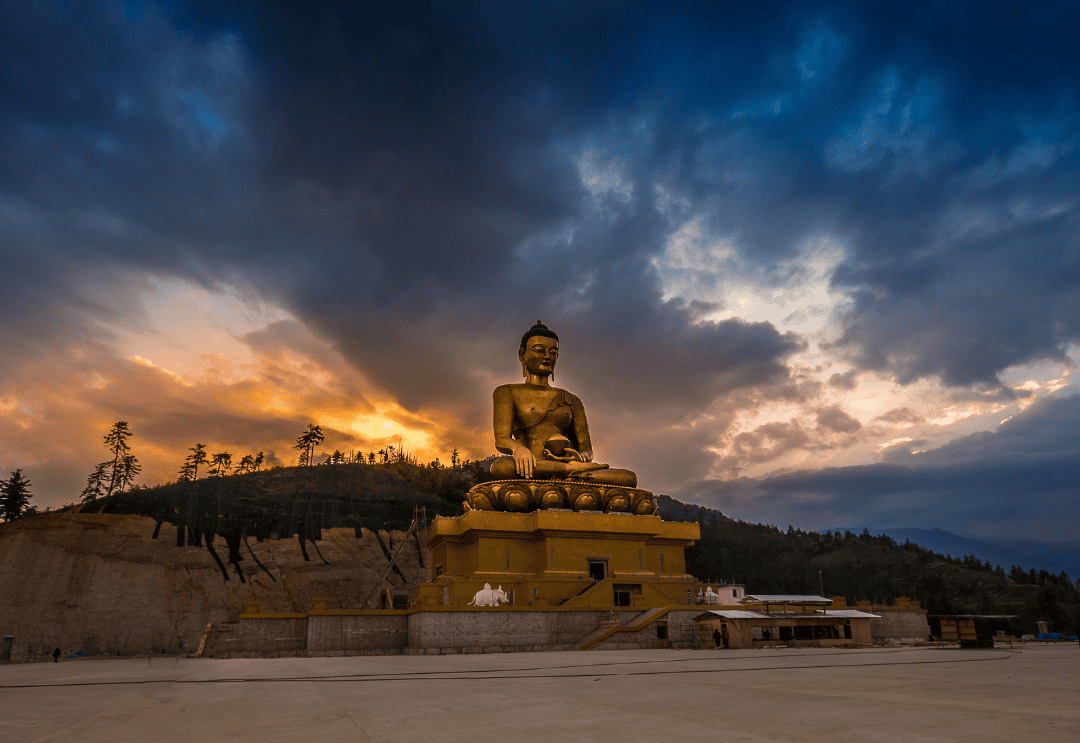
Buddha Dordenma is one of Bhutan’s most remarkable monuments and a symbol of peace and harmony. Situated atop a hill in Kuenselphodrang Nature Park overlooking Thimphu Valley, the giant bronze statue stands 54 meters (177 feet) tall and is gilded in gold. The project was completed to fulfill an ancient prophecy that predicted a giant Buddha would bless the region with peace and prosperity.
Inside the statue are over 100,000 smaller Buddha statues, each crafted with great detail. The site serves as both a religious center and a popular tourist attraction. Visitors can enjoy panoramic views of Thimphu while learning about Bhutan’s deep-rooted Buddhist traditions. The serene atmosphere and magnificent scale of the statue make it one of the country’s most visited landmarks.
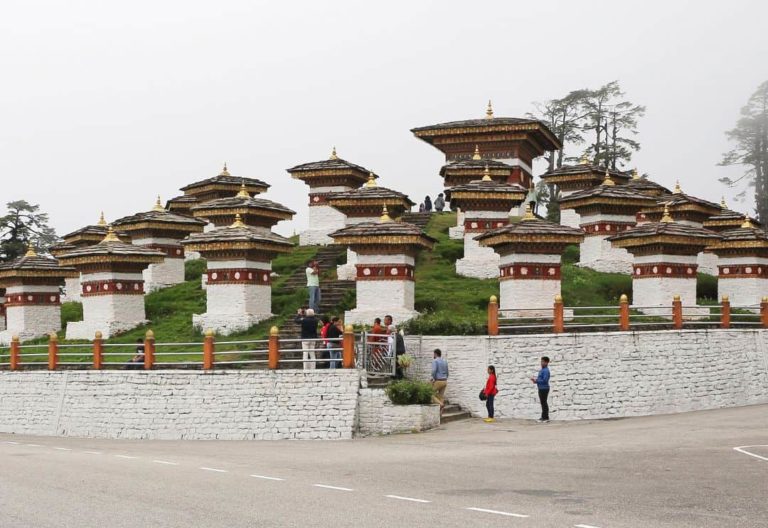
Dochula Pass is one of the most scenic mountain passes in Bhutan, located at an elevation of approximately 3,100 meters above sea level. The pass is famous for its 108 white stupas, known as the Druk Wangyal Chortens, which were built in memory of Bhutanese soldiers who lost their lives defending the nation.
On clear days, Dochula Pass offers spectacular views of the eastern Himalayas, including several snow-capped peaks. The area is also home to the Druk Wangyal Lhakhang temple, which showcases unique murals depicting Bhutan’s history and modernization. Visitors often stop here while traveling between Thimphu and Punakha to enjoy the stunning landscapes, peaceful atmosphere, and fresh mountain air.
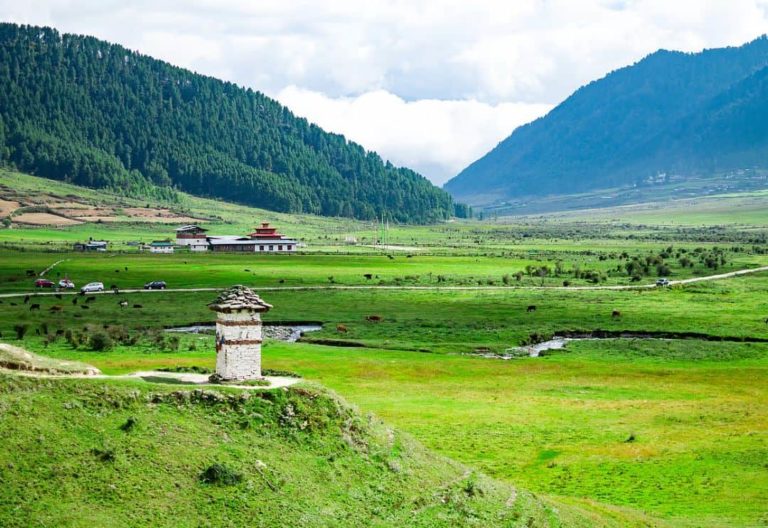
Phobjikha Valley is one of Bhutan’s most beautiful and ecologically significant valleys. Located at an altitude of around 3,000 meters above sea level, this glacial valley is known for its vast open landscapes, rolling meadows, and breathtaking mountain scenery. Unlike many other valleys in Bhutan, Phobjikha is remarkably wide and flat, creating a unique and picturesque environment.
The valley is most famous as the winter home of the endangered Black-necked Crane. Every year, from late October to February, these sacred birds migrate from the Tibetan Plateau to Phobjikha Valley, attracting birdwatchers and nature enthusiasts from around the world. The arrival of the cranes is celebrated with the annual Black-Necked Crane Festival, which promotes conservation awareness and showcases Bhutanese culture through traditional dances and performances.
Bhutan is beautiful throughout the year, but the best time to visit depends on your preferences.

Spring is widely considered the best time to visit Bhutan. During these months, the valleys come alive with blooming rhododendrons, magnolias, and wildflowers, creating stunning landscapes. The weather remains mild and comfortable, making it perfect for sightseeing and outdoor activities. Popular attractions such as Tiger's Nest Monastery, Punakha Dzong, and Dochula Pass are especially picturesque during spring. This season is also ideal for photography and cultural exploration.
Autumn is another excellent time to visit Bhutan. The monsoon rains clear away, leaving behind crisp air, blue skies, and spectacular views of the Himalayas. Temperatures are pleasant, and visibility is at its best, making it the preferred season for trekking and mountain photography. Many of Bhutan's famous festivals, including the Paro Tshechu and Thimphu Tshechu, take place during this period. Visitors can experience vibrant mask dances, traditional music, and Bhutanese culture at its finest.

Winter in Bhutan is cold but offers a unique charm. While higher-altitude regions experience snowfall, lower valleys such as Paro and Punakha remain accessible. The season attracts fewer tourists, allowing visitors to enjoy a more peaceful experience. One of the highlights of winter is visiting Phobjikha Valley, where the endangered Black-necked Crane migrates from Tibet. Birdwatchers and nature lovers particularly enjoy this season.
Summer brings monsoon rains to Bhutan, resulting in lush green landscapes and flowing rivers. Although frequent rainfall can affect outdoor activities and trekking routes, the countryside becomes incredibly vibrant and beautiful. This season is suitable for travelers seeking fewer crowds and lower travel costs.
Choosing the right accommodation can make your journey more comfortable, especially if you plan to spend a night in Jaigaon before crossing into Bhutan. Travelers often look for Hotels in Jaigaon that provide convenience, comfort, and easy access to the Bhutan Border.
Conveniently located in Jaigaon, Hotel Vianta offers travelers a comfortable base before beginning their Bhutan adventure. Guests can enjoy:
Whether you are planning a short Bhutan Trip or an extended Bhutan Travel experience, choosing the Best Hotel in Jaigaon can significantly improve your overall journey. Hotel Vianta provides the ideal combination of comfort, accessibility, and hospitality, making it a preferred choice for travelers exploring Bhutan through Jaigaon.
A 4 to 6-day Bhutan itinerary is ideal for first-time visitors. This allows enough time to explore major destinations such as Phuentsholing, Thimphu, Paro, Tiger’s Nest Monastery, and Dochula Pass.
The best time to visit Bhutan is during spring (March to May) and autumn (September to November). These seasons offer pleasant weather, clear mountain views, and excellent sightseeing opportunities.
Bhutan begins immediately across the border from Jaigaon. Travelers can enter Phuentsholing, Bhutan’s border town, within minutes through the Bhutan Gate.
Bhutan can be explored on various budgets. Transportation, accommodation, and sightseeing costs depend on the travel style and itinerary chosen. Planning in advance can help reduce overall travel expenses.
Some of the most popular attractions in Bhutan include Tiger’s Nest Monastery, Buddha Dordenma, Thimphu, Paro, Punakha Dzong, Dochula Pass, and Phobjikha Valley.
Many travelers prefer staying in Jaigaon before crossing into Bhutan. Choosing a comfortable hotel near Bhutan Gate makes the journey more convenient and allows easy access to the border.
Hotel Vianta is a preferred choice for travelers heading to Bhutan. Its convenient location, comfortable rooms, modern amenities, and proximity to Bhutan Gate make it an excellent option for visitors starting their Bhutan journey from Jaigaon.