

BEST RATE GUARANTEED
Planning a trip to Jaigaon, the bustling gateway to Bhutan? Checking the Jaigaon weather today is one of the smartest steps before you travel. Whether you’re visiting for business, exploring local attractions, or crossing the border into Phuentsholing, Bhutan, knowing the latest weather conditions can help you pack appropriately, plan your sightseeing, and enjoy a hassle-free journey.
Located in the Alipurduar district of West Bengal, Jaigaon experiences a humid subtropical climate with warm summers, heavy monsoon rainfall, pleasant autumns, and cool winters. Because of its location at the foothills of the Himalayas and next to Bhutan, weather conditions can change quickly, especially during the rainy season.
On this page, you’ll find everything you need to plan your visit, including an overview of Jaigaon temperature today, seasonal weather patterns, travel tips, the best time to visit, and useful information for travelers heading to Bhutan. Whether you’re planning a weekend getaway or a longer holiday, this guide will help you make informed travel decisions throughout the year.
The Jaigaon temperature today can vary depending on the season and time of day. During the summer months, afternoons are generally warm, while mornings and evenings are comparatively pleasant. In the monsoon season, cloud cover and rainfall often keep daytime temperatures moderate, whereas winter mornings can feel cool and refreshing.
Rather than relying only on temperature, travelers should also consider humidity, rainfall chances, and wind conditions, as these factors significantly affect outdoor comfort.
Season
Summer (March–June)
Monsoon (June–September)
Autumn (October–November)
Winter (December–February)
Average Temperature
28°C–36°C
24°C–31°C
22°C–30°C
18°C–26°C
These are approximate seasonal averages and may vary depending on yearly weather patterns.
Summer in Jaigaon is generally warm, with daytime temperatures often reaching between 28°C and 36°C. Humidity can make afternoons feel hotter, while mornings and evenings are usually more comfortable for outdoor activities. Despite the heat, summer remains a popular time for travelers heading to Bhutan or exploring nearby attractions. Carrying light cotton clothing, sunscreen, sunglasses, and staying hydrated can make your trip much more enjoyable.
Summer Travel Tips
If you’re planning to visit Bhutan during summer, beginning your journey early in the day can help you avoid the warmest hours and make border formalities more comfortable.
Yes, summer can be a good time to visit if you don’t mind warm temperatures. It’s a suitable season for travelers who want to explore nearby attractions, enjoy local markets, and continue their journey into Bhutan. One advantage of staying at a centrally located hotel is the ability to return and relax during the hottest part of the afternoon before heading out again in the evening.
The monsoon season in Jaigaon transforms the town into a lush green destination. Located close to the Himalayan foothills, Jaigaon receives significant rainfall every year, making the surrounding forests, tea gardens, and landscapes look vibrant and refreshing. Rain showers can occur frequently, so travelers should stay updated with the Jaigaon weather today before planning outdoor activities.
During the monsoon months, daytime temperatures generally remain between 24°C and 31°C, while evenings become cooler and more comfortable. Although rain may occasionally affect road travel, the fresh air and scenic beauty make this season appealing to nature lovers and photographers.
If you’re planning to cross into Bhutan through the Bhutan Gate, it’s a good idea to carry rain protection and allow extra travel time, especially during heavy showers.
Weather Factor
Average Temperature
Humidity
Rainfall
Best For
Travel Tip
Details
24°C – 31°C
75% – 95%
High
Nature Lovers, Photography
Carry an umbrella or raincoat
The rainy season brings out the natural beauty of North Bengal. The forests surrounding Jaigaon become greener, waterfalls in nearby areas become more active, and the cooler temperatures make sightseeing more comfortable than the peak summer months. If you’re staying for a few days, this season is ideal for relaxing at a comfortable hotel and enjoying the region’s peaceful atmosphere between rain showers.
Winter is considered one of the best times to visit Jaigaon. The weather is cool, dry, and pleasant, making it perfect for sightseeing, shopping, and traveling into Bhutan.
During winter, daytime temperatures usually range from 18°C to 26°C, while mornings and nights can drop to around 10°C to 15°C. The cool climate is comfortable for walking around local markets, exploring nearby attractions, and enjoying outdoor dining.
Because the skies are generally clear during this season, winter is also a great time for photography and scenic drives.
Weather Factor
Day Temperature
Night Temperature
Rainfall
Humidity
Visibility
Details
18°C – 26°C
10°C – 15°C
Very Low
Moderate
Excellent
Winter offers pleasant weather without the heavy rainfall of the monsoon or the higher humidity of summer. Travelers can comfortably explore Jaigaon, visit Bhutan, and enjoy local attractions throughout the day.
Autumn marks the transition from the rainy season to cooler weather. It is one of the most comfortable times to explore Jaigaon and nearby destinations.
The skies gradually become clearer, rainfall decreases, and the lush greenery left behind by the monsoon creates beautiful landscapes. Temperatures usually range between 22°C and 30°C, making outdoor activities enjoyable.
This is also a popular season for travelers visiting Bhutan, so booking your accommodation in advance is recommended.
Spring is short but pleasant in Jaigaon. Temperatures remain comfortable, flowers begin to bloom, and the surrounding greenery creates a refreshing atmosphere.
This season is ideal for couples, families, and photographers looking for comfortable weather before the summer heat begins.
One of the most common questions travelers ask is, “When is the best time to visit Jaigaon?” The answer depends on your travel preferences.
The months from October to February are considered the best. During this period, temperatures are comfortable, rainfall is minimal, and sightseeing becomes much easier.
Visit during the monsoon season (June to September) when the surrounding forests and landscapes are at their greenest.
The months of March and April often offer fewer crowds compared to peak tourist season, giving travelers more flexibility while still enjoying favorable weather.
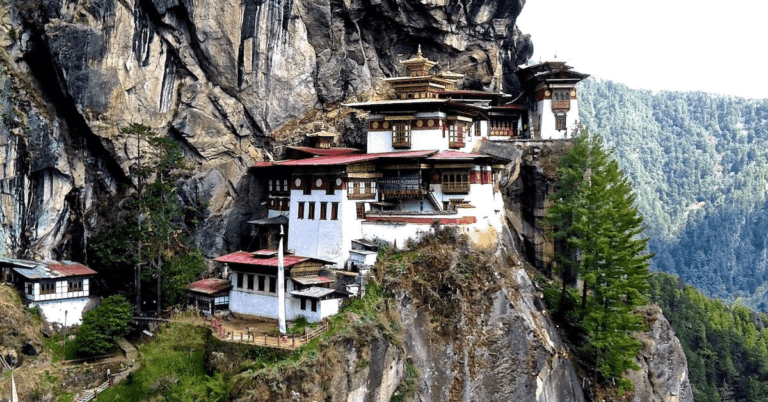
Tiger’s Nest Monastery is the most iconic landmark in Bhutan and a symbol of the country’s rich Buddhist heritage. Perched dramatically on a cliff 900 meters above the Paro Valley, the monastery appears to cling to the mountainside. It was built in 1692 around a sacred cave where Guru Rinpoche (Padmasambhava), the founder of Tibetan Buddhism, is believed to have meditated for three years, three months, three weeks, three days, and three hours.
The journey to Tiger’s Nest is as memorable as the destination itself. Visitors undertake a steep hike through pine forests adorned with prayer flags before reaching the monastery. Along the way, breathtaking views of the valley and surrounding mountains create a truly spiritual experience.
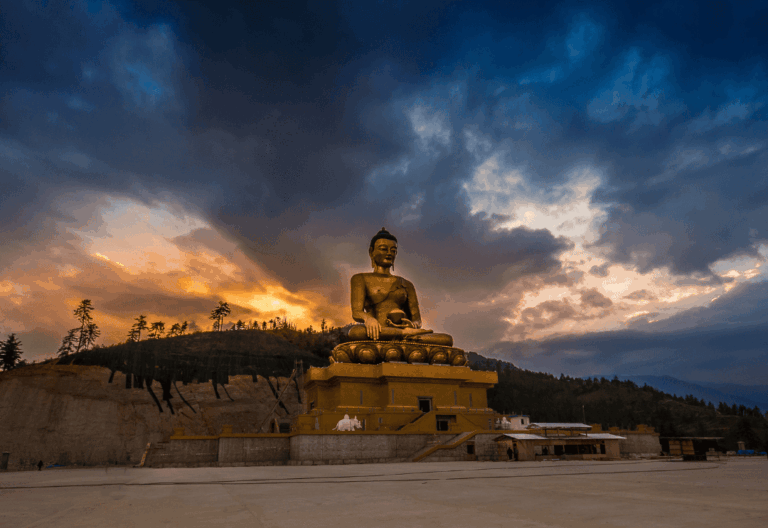
Buddha Dordenma is one of Bhutan’s most remarkable monuments and a symbol of peace and harmony. Situated atop a hill in Kuenselphodrang Nature Park overlooking Thimphu Valley, the giant bronze statue stands 54 meters (177 feet) tall and is gilded in gold. The project was completed to fulfill an ancient prophecy that predicted a giant Buddha would bless the region with peace and prosperity.
Inside the statue are over 100,000 smaller Buddha statues, each crafted with great detail. The site serves as both a religious center and a popular tourist attraction. Visitors can enjoy panoramic views of Thimphu while learning about Bhutan’s deep-rooted Buddhist traditions. The serene atmosphere and magnificent scale of the statue make it one of the country’s most visited landmarks.
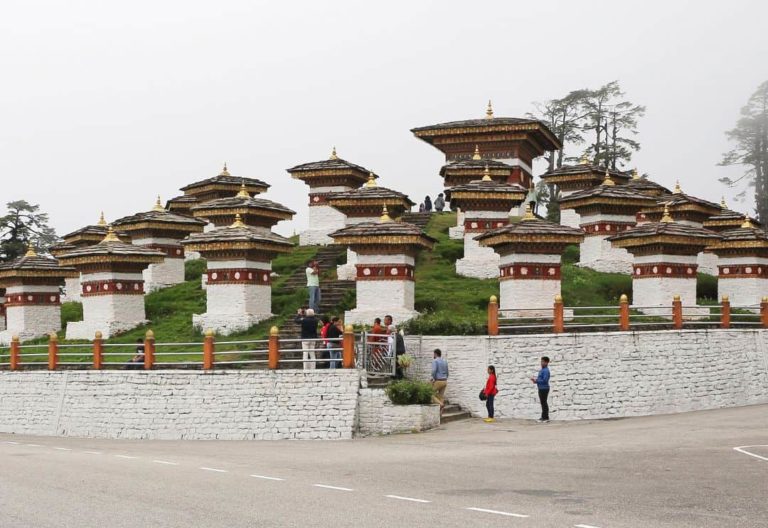
Dochula Pass is one of the most scenic mountain passes in Bhutan, located at an elevation of approximately 3,100 meters above sea level. The pass is famous for its 108 white stupas, known as the Druk Wangyal Chortens, which were built in memory of Bhutanese soldiers who lost their lives defending the nation.
On clear days, Dochula Pass offers spectacular views of the eastern Himalayas, including several snow-capped peaks. The area is also home to the Druk Wangyal Lhakhang temple, which showcases unique murals depicting Bhutan’s history and modernization. Visitors often stop here while traveling between Thimphu and Punakha to enjoy the stunning landscapes, peaceful atmosphere, and fresh mountain air.
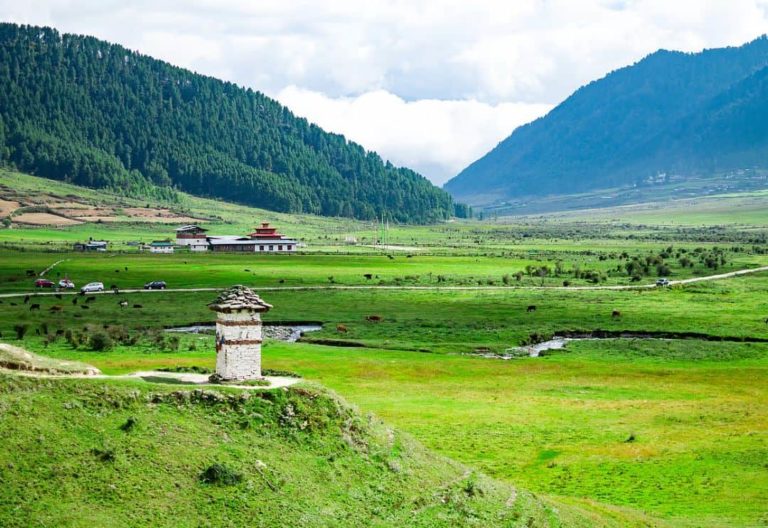
Phobjikha Valley is one of Bhutan’s most beautiful and ecologically significant valleys. Located at an altitude of around 3,000 meters above sea level, this glacial valley is known for its vast open landscapes, rolling meadows, and breathtaking mountain scenery. Unlike many other valleys in Bhutan, Phobjikha is remarkably wide and flat, creating a unique and picturesque environment.
The valley is most famous as the winter home of the endangered Black-necked Crane. Every year, from late October to February, these sacred birds migrate from the Tibetan Plateau to Phobjikha Valley, attracting birdwatchers and nature enthusiasts from around the world. The arrival of the cranes is celebrated with the annual Black-Necked Crane Festival, which promotes conservation awareness and showcases Bhutanese culture through traditional dances and performances.
Choosing the right accommodation can make your journey more comfortable, especially if you plan to spend a night in Jaigaon before crossing into Bhutan. Travelers often look for Hotels in Jaigaon that provide convenience, comfort, and easy access to the Bhutan Border.
Whether you’re visiting Jaigaon for a weekend getaway, a business trip, or planning to cross into Bhutan, choosing the right accommodation plays an important role in your overall travel experience. Staying close to the Bhutan Gate not only saves travel time but also provides convenient access to restaurants, shopping areas, and major attractions.
If you’re looking for a comfortable and well-connected stay, Hotel Vianta is an excellent choice. Located near the Bhutan Gate, the hotel offers modern amenities, spacious rooms, an in-house restaurant, and easy access to both Jaigaon and Phuentsholing.
No matter the season-whether it’s the cool winter months, the lush monsoon, or the vibrant autumn – Hotel Vianta provides a relaxing base for travelers exploring the region.
Why Choose Hotel Vianta?
Whether you’re staying for one night or planning an extended trip, Hotel Vianta offers a comfortable experience for both leisure and business travelers.
Yes. Jaigaon experiences significant rainfall during the monsoon season, especially between June and September.
Winters are cool rather than extreme, with temperatures generally ranging from 10°C to 26°C.
Yes. Humidity is generally high throughout the year, especially during the monsoon months.
Yes. Travelers can still visit Bhutan during the monsoon, but checking weather forecasts and road conditions beforehand is advisable.
Pack according to the season. Cotton clothing is suitable for summer, rain gear is essential during the monsoon, and light woolens are recommended for winter.
Hotel Vianta is conveniently located near Bhutan Gate, making it an excellent choice for travelers heading into Bhutan.
Hotel Vianta offers modern rooms, quality dining, and a convenient location close to Bhutan Gate, making it a popular option for visitors.